LayerZero is an omnichain interoperability protocol enabling cross-chain applications, while Purpose Bound Money is a bearer instrument framework for programmable digital currencies.
Contributors
WPRC Contributors
Questions: LayerZero
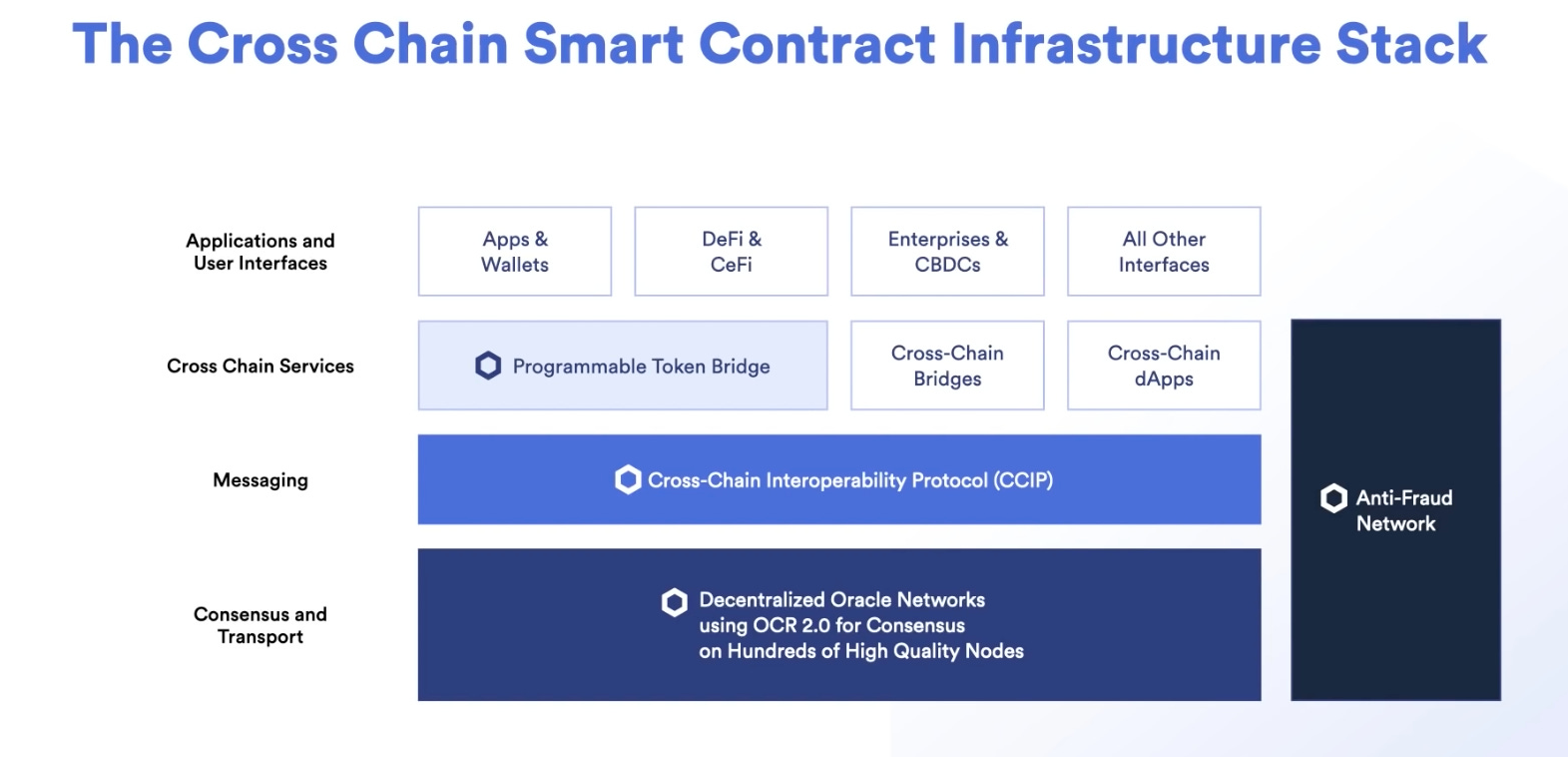
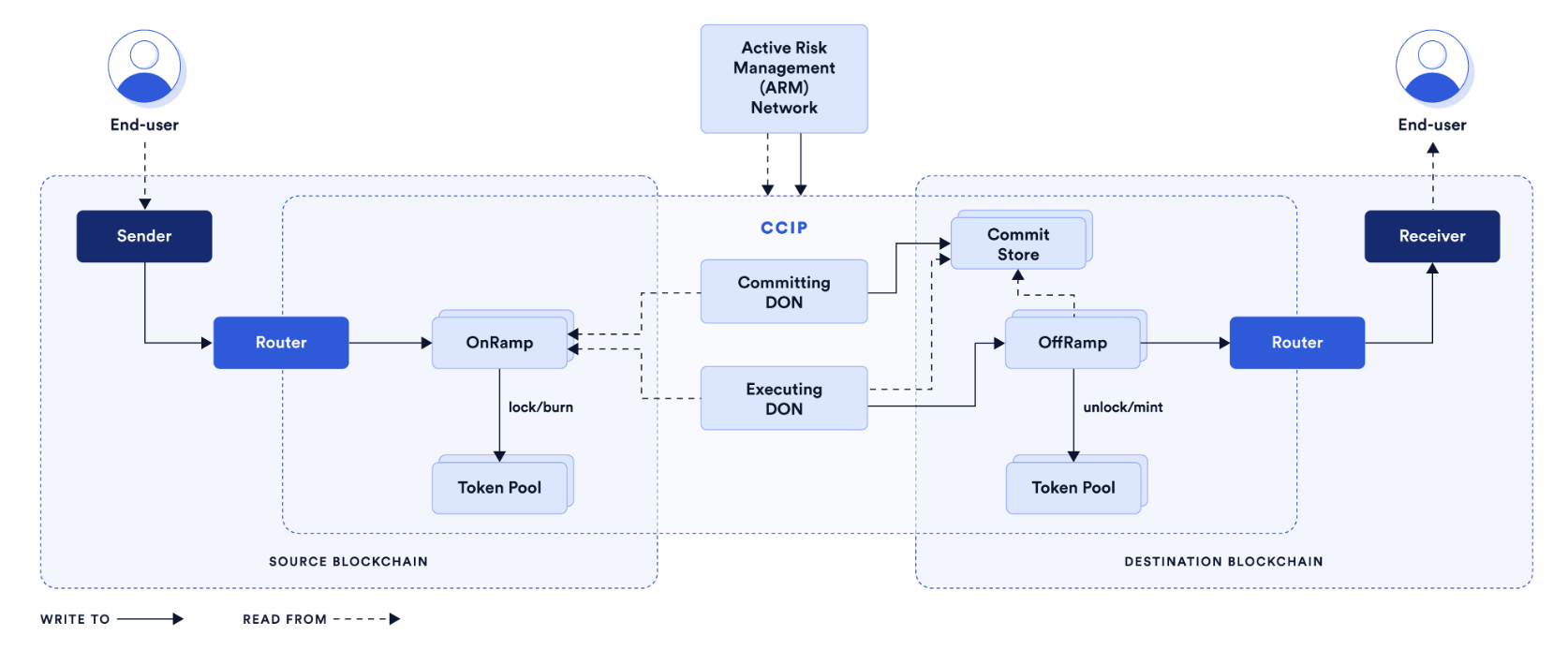
Will Chainlink (CCIP) replace LayerZero (link)? What are LayerZero’s plans to counter this?
Why did Sequoia and other investors invest in LayerZero, knowing that Chainlink could replace LayerZero? What do they know that we don’t know?
General
Different types of interoperability: Information, Process, …
LayerZero (information) - the ability to transfer information across chains
Chain Atlas (process) - deploy and run different parts of an application across different chains. Where each process could be a single functionality.
What is the difference between LayerZero and a bridge?
LayerZero is the “underlying messaging” protocol that bridges can use to send messages across chains such as “the balance on Chain A.” Previously, bridge builders must also build this messaging layer. Now bridges can just build on top of LayerZero’s protocol. This reduces the cost of building a bridge which can enable a proliferation of bridges thus the overconcentration of value in a few contracts.
What is trust minimized? link
Any protocol where there is a central point of trust. In the case of Chainlink, this could be that not everyone can become a node operator, so we need to trust Chainlink in picking good node operators. This is very different to Bitcoin, where anyone can participate in consensus. We also have to trust that Chainlink nodes on Chainlink are not all colluding, especially as in many cases there are no “objective truths.”
How does LayerZero resolve finality/chain reorgs on another chain?
How does LayerZero deal with issues of different chains having different finality, chain reorg, or different levels of security on various chains?
Interesting Notes:
“Superlinear staking” (Chainlink) allows node operators to stake a lesser amount than the amount that they secure. Link
How does it work?
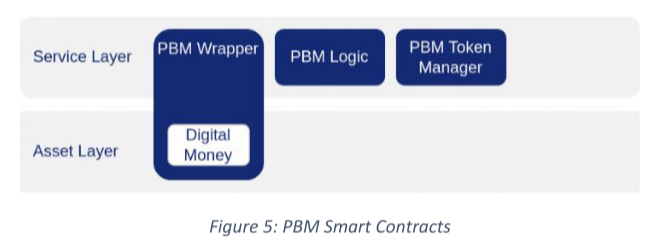
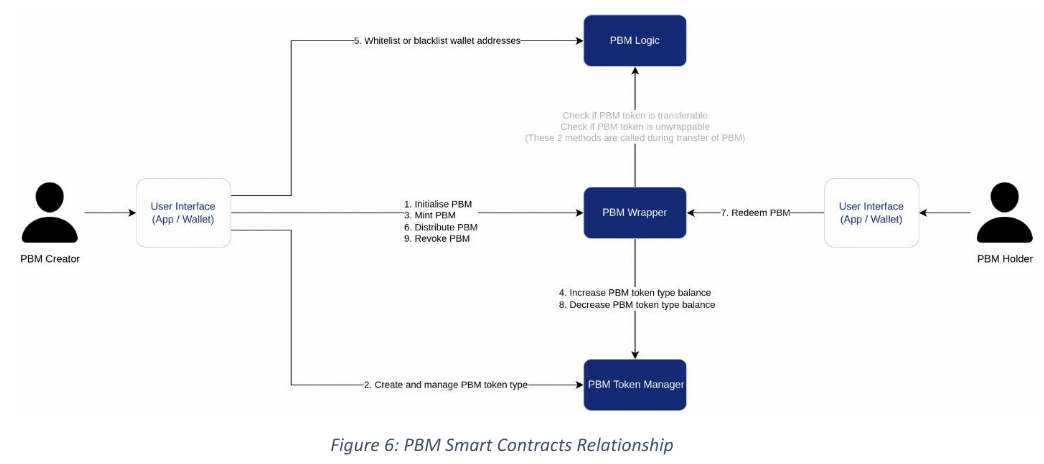
A user can deposit any token such as DAI or USDC into the PBM wrapper contract to receive a PBM “voucher”. This voucher acts like any other token, is owned by the user, and can be sent to any wallet address. However, only whitelisted entities can “unwrap” the voucher and access the underlying token. Non-whitelisted wallets cannot unwrap a user’s PBM voucher and receive the underlying value. In this way, the PBM acts to create access control for tokens.
Why design PBM as a wrapper around tokens?
“Wrapping” tokens allow for maximum compatibility with existing defi protocols. This way any token that is a PBM can be accepted by other protocols and exchanges.
How is accounting recognized when the PBM voucher is issued by a company? Especially if the value travels with the holder.
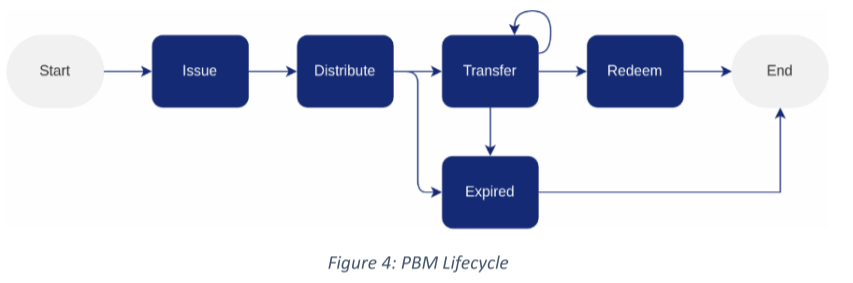
If this was issued by an enterprise, they must hold a liability on their books, which they must deliver at some point as they must deliver the value of the voucher (Katie for clarity). The expiration of the PBM may solve this issue.
Since this design was intended for the government to issue CBDC, governments have different accounting standards? Which means they will account for the vouchers differently.
Why ERC-1155?
ERC-1155 provides the most flexibility as it can both be an ERC-20 token and an ERC-721. This means each voucher can represent both fungible tokens and non-fungible tokens in the future.
What powers will the government have if people need to use PBM?
It seems that tools like this give governments more control over how we can spend money in certain cases. E.g forcing you to spend before expiry? Or only enabling certain people to receive money. There are still many concerns over user control and privacy.
Off-Ramps - link
In the current implementation, Grab is the off-ramp. Grab receives the PBM on behalf of Merchants. They then call StraitX’s API which allows the to redeem the underlying token held in the PBM, exchange it for fiat, and pay the merchant in fiat.
LayerZero
Blurb
Layerzero is an omnichain interoperability protocol. Layerzero enables the realization of cross-chain applications with a low level communication primitive.
Summary
LayerZero is a trustless omnichain interoperability protocol.
It enables direct transactions across different blockchain networks.
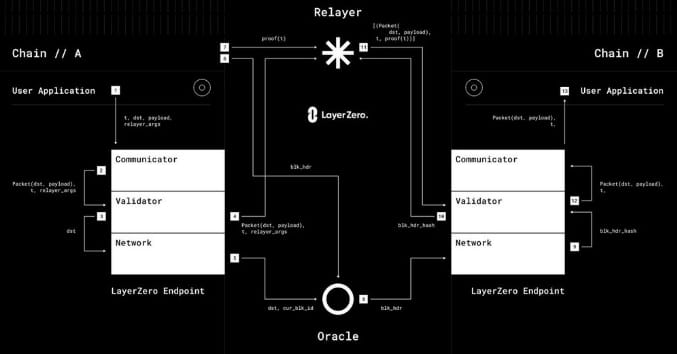
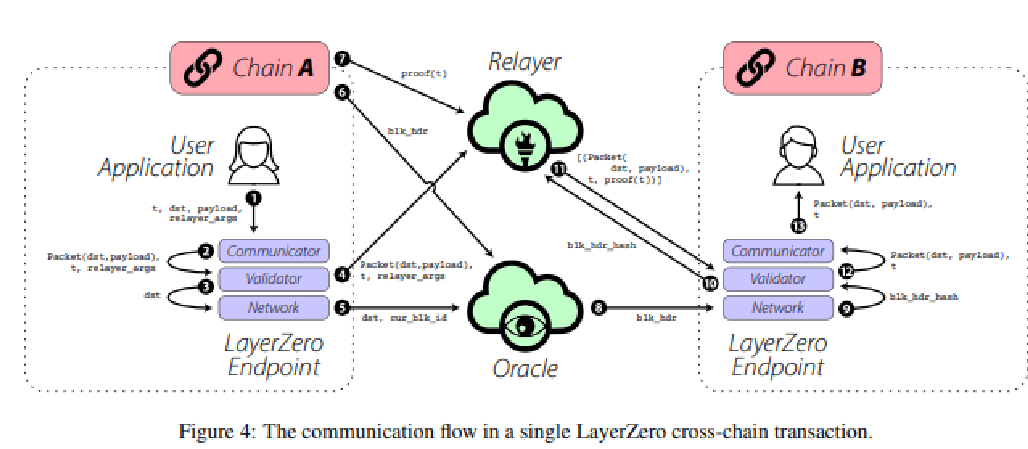
LayerZero uses a communication primitive called valid delivery to ensure that a message is delivered only if its associated transaction is valid and committed on the sender chain.
The protocol does not require trust in any intermediary entities or tokens.
LayerZero consists of an Oracle, which fetches block headers, and a Relayer, which fetches transaction proofs from the sender chain.
By leveraging LayerZero, developers can build applications like cross-chain decentralized exchanges, multi-chain yield aggregators, and multi-chain lending.
LayerZero allows users to access high-yield opportunities across different ecosystems and take advantage of market inefficiencies.
It eliminates the need to move assets between chains by enabling users to lend out their assets on one chain and borrow directly on another chain, reducing intermediary costs.
LayerZero enables trustless cross-chain transactions and seamless movement of liquidity across chains.
Questions about Layerzero? (collect and vote).
What could be the first use cases for this?
How can the “Relayer” and “Oracle” collude? Can adversary “fake” transactions?
Why does the oracle only need to provide the block header?
Does this work for all chains?
Is LayerZero’s “Relayer” similar to Ethereum L2 “Relayers”?
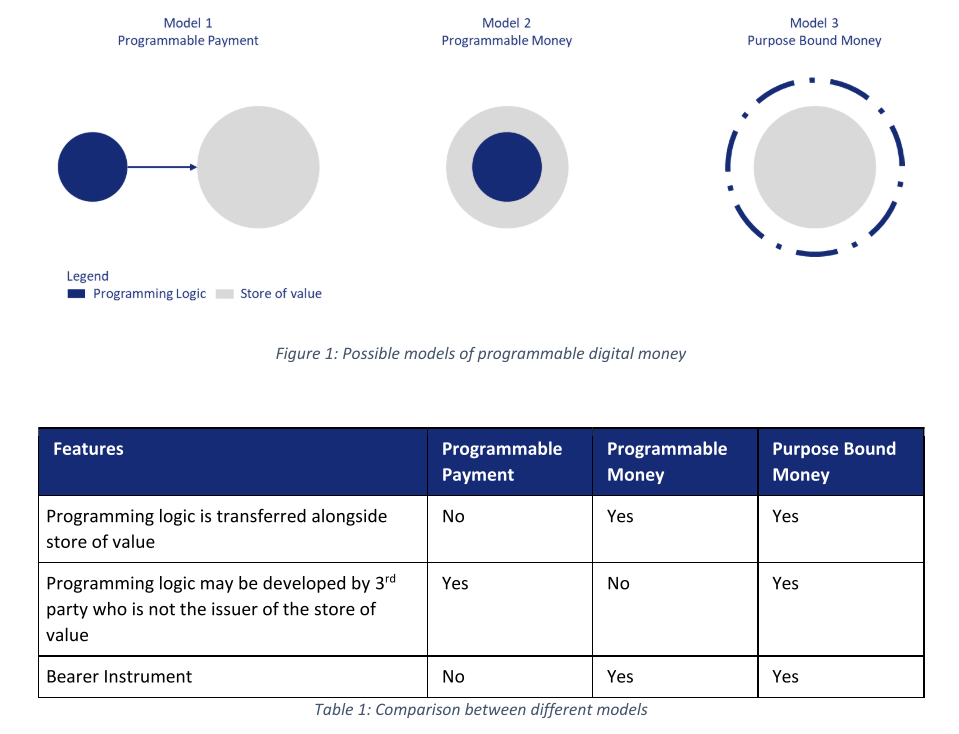
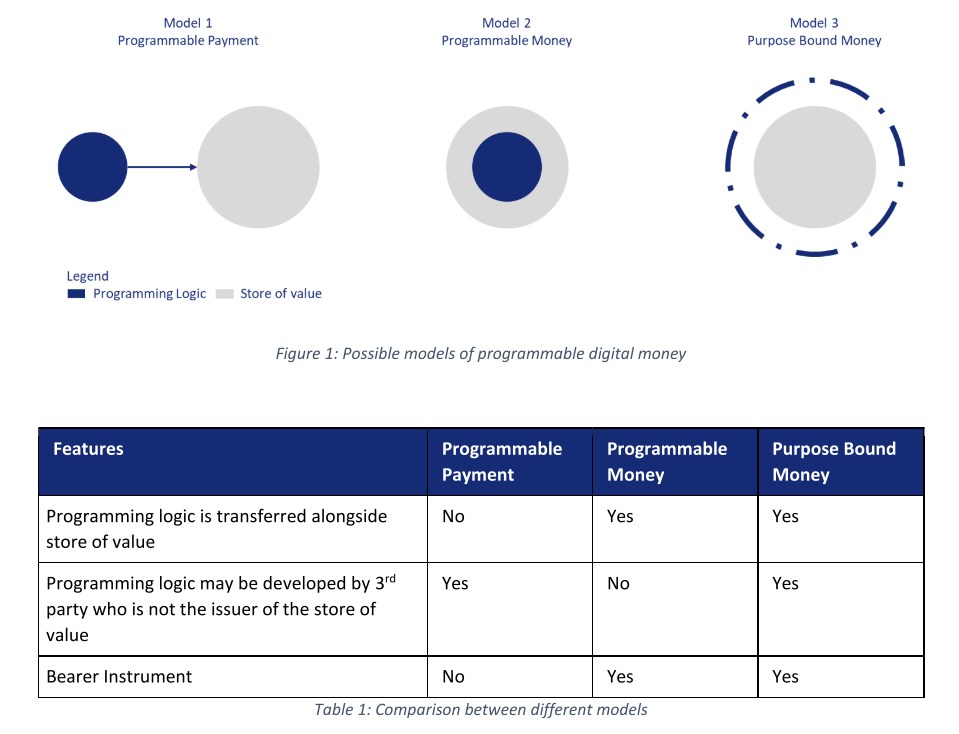
Purpose-bound money is a bearer instrument that is transferable on a peer-to-peer basis without intermediaries.
The MAS outlined numerous applications for purpose-bound digital currencies, with a specific emphasis on their potential to safeguard both customers and vendors in online transactions.
Summary
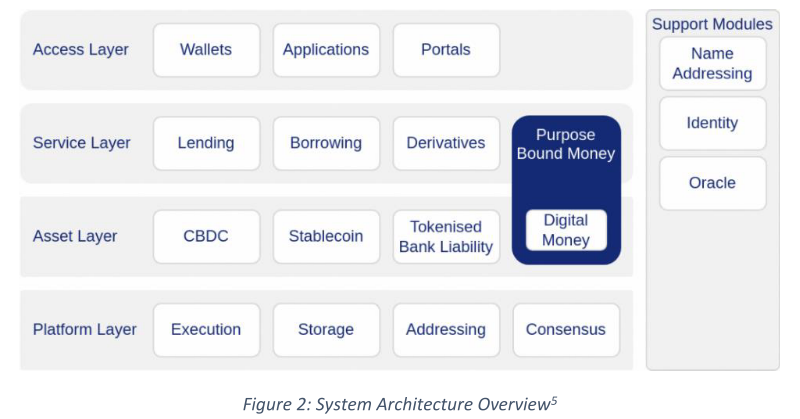
PBM, or Purpose Bound Money, is a framework for interacting with different forms of digital money.
It is not limited to cryptocurrencies alone and can work on various ledger systems.
PBMs can include digital currencies like CBDCs, tokenized bank liabilities, stablecoins, and purpose-bound tokens.
The separation of roles between the PBM Creator and the issuer of digital money enhances privacy and data protection.
The regulatory treatment of PBMs may vary across jurisdictions.
The reserve assets backing the digital money used in PBM and the associated compliance requirements are important considerations.
PBMs can be used for pre-paid packages, donations, and cross-border payments to enhance transparency, accountability, and efficiency.
Future research areas include account abstraction and extending the concept of PBM to a broader set of use cases.
Questions about purpose-bound money? (collect and vote)
How does this integrate with SG’s current system? Does it solve the payment “fragmentation” issue?
Are “wrappers” developed only by whitelisted entities?
Thoughts on the privacy aspects detailed on pg 19? Is it enough?
Why no L1s or L2s as “industry” partner? Will this become the new “Libra” project or “information super-highway”?
Will Chainlink (CCIP) replace LayerZero (link)? What are LayerZero’s plans to counter this?
Why did Sequoia and other investors invest in LayerZero, knowing that Chainlink could replace LayerZero? What do they know that we don’t know?
General
Different types of interoperability: Information, Process, …
LayerZero (information) - the ability to transfer information across chains
Chain Atlas (process) - deploy and run different parts of an application across different chains. Where each process could be a single functionality.
What is the difference between LayerZero and a bridge?
LayerZero is the “underlying messaging” protocol that bridges can use to send messages across chains such as “the balance on Chain A.” Previously, bridge builders must also build this messaging layer. Now bridges can just build on top of LayerZero’s protocol. This reduces the cost of building a bridge which can enable a proliferation of bridges thus the overconcentration of value in a few contracts.
What is trust minimized? link
Any protocol where there is a central point of trust. In the case of Chainlink, this could be that not everyone can become a node operator, so we need to trust Chainlink in picking good node operators. This is very different to Bitcoin, where anyone can participate in consensus. We also have to trust that Chainlink nodes on Chainlink are not all colluding, especially as in many cases there are no “objective truths.”
How does LayerZero resolve finality/chain reorgs on another chain?
How does LayerZero deal with issues of different chains having different finality, chain reorg, or different levels of security on various chains?
Interesting Notes:
“Superlinear staking” (Chainlink) allows node operators to stake a lesser amount than the amount that they secure. Link
How does it work?
A user can deposit any token such as DAI or USDC into the PBM wrapper contract to receive a PBM “voucher”. This voucher acts like any other token, is owned by the user, and can be sent to any wallet address. However, only whitelisted entities can “unwrap” the voucher and access the underlying token. Non-whitelisted wallets cannot unwrap a user’s PBM voucher and receive the underlying value. In this way, the PBM acts to create access control for tokens.
Why design PBM as a wrapper around tokens?
“Wrapping” tokens allow for maximum compatibility with existing defi protocols. This way any token that is a PBM can be accepted by other protocols and exchanges.
How is accounting recognized when the PBM voucher is issued by a company? Especially if the value travels with the holder.
If this was issued by an enterprise, they must hold a liability on their books, which they must deliver at some point as they must deliver the value of the voucher (Katie for clarity). The expiration of the PBM may solve this issue.
Since this design was intended for the government to issue CBDC, governments have different accounting standards? Which means they will account for the vouchers differently.
Why ERC-1155?
ERC-1155 provides the most flexibility as it can both be an ERC-20 token and an ERC-721. This means each voucher can represent both fungible tokens and non-fungible tokens in the future.
What powers will the government have if people need to use PBM?
It seems that tools like this give governments more control over how we can spend money in certain cases. E.g forcing you to spend before expiry? Or only enabling certain people to receive money. There are still many concerns over user control and privacy.
Off-Ramps - link
In the current implementation, Grab is the off-ramp. Grab receives the PBM on behalf of Merchants. They then call StraitX’s API which allows the to redeem the underlying token held in the PBM, exchange it for fiat, and pay the merchant in fiat.
LayerZero
Blurb
Layerzero is an omnichain interoperability protocol. Layerzero enables the realization of cross-chain applications with a low level communication primitive.
Summary
LayerZero is a trustless omnichain interoperability protocol.
It enables direct transactions across different blockchain networks.
LayerZero uses a communication primitive called valid delivery to ensure that a message is delivered only if its associated transaction is valid and committed on the sender chain.
The protocol does not require trust in any intermediary entities or tokens.
LayerZero consists of an Oracle, which fetches block headers, and a Relayer, which fetches transaction proofs from the sender chain.
By leveraging LayerZero, developers can build applications like cross-chain decentralized exchanges, multi-chain yield aggregators, and multi-chain lending.
LayerZero allows users to access high-yield opportunities across different ecosystems and take advantage of market inefficiencies.
It eliminates the need to move assets between chains by enabling users to lend out their assets on one chain and borrow directly on another chain, reducing intermediary costs.
LayerZero enables trustless cross-chain transactions and seamless movement of liquidity across chains.
Questions about Layerzero? (collect and vote).
What could be the first use cases for this?
How can the “Relayer” and “Oracle” collude? Can adversary “fake” transactions?
Why does the oracle only need to provide the block header?
Does this work for all chains?
Is LayerZero’s “Relayer” similar to Ethereum L2 “Relayers”?
Purpose-bound money is a bearer instrument that is transferable on a peer-to-peer basis without intermediaries.
The MAS outlined numerous applications for purpose-bound digital currencies, with a specific emphasis on their potential to safeguard both customers and vendors in online transactions.
Summary
PBM, or Purpose Bound Money, is a framework for interacting with different forms of digital money.
It is not limited to cryptocurrencies alone and can work on various ledger systems.
PBMs can include digital currencies like CBDCs, tokenized bank liabilities, stablecoins, and purpose-bound tokens.
The separation of roles between the PBM Creator and the issuer of digital money enhances privacy and data protection.
The regulatory treatment of PBMs may vary across jurisdictions.
The reserve assets backing the digital money used in PBM and the associated compliance requirements are important considerations.
PBMs can be used for pre-paid packages, donations, and cross-border payments to enhance transparency, accountability, and efficiency.
Future research areas include account abstraction and extending the concept of PBM to a broader set of use cases.
Questions about purpose-bound money? (collect and vote)
How does this integrate with SG’s current system? Does it solve the payment “fragmentation” issue?
Are “wrappers” developed only by whitelisted entities?
Thoughts on the privacy aspects detailed on pg 19? Is it enough?
Why no L1s or L2s as “industry” partner? Will this become the new “Libra” project or “information super-highway”?